India’s first moving conclave for humanity-centered design thinking
01
02
03
04
Where Lived Community Wisdom Shapes Education
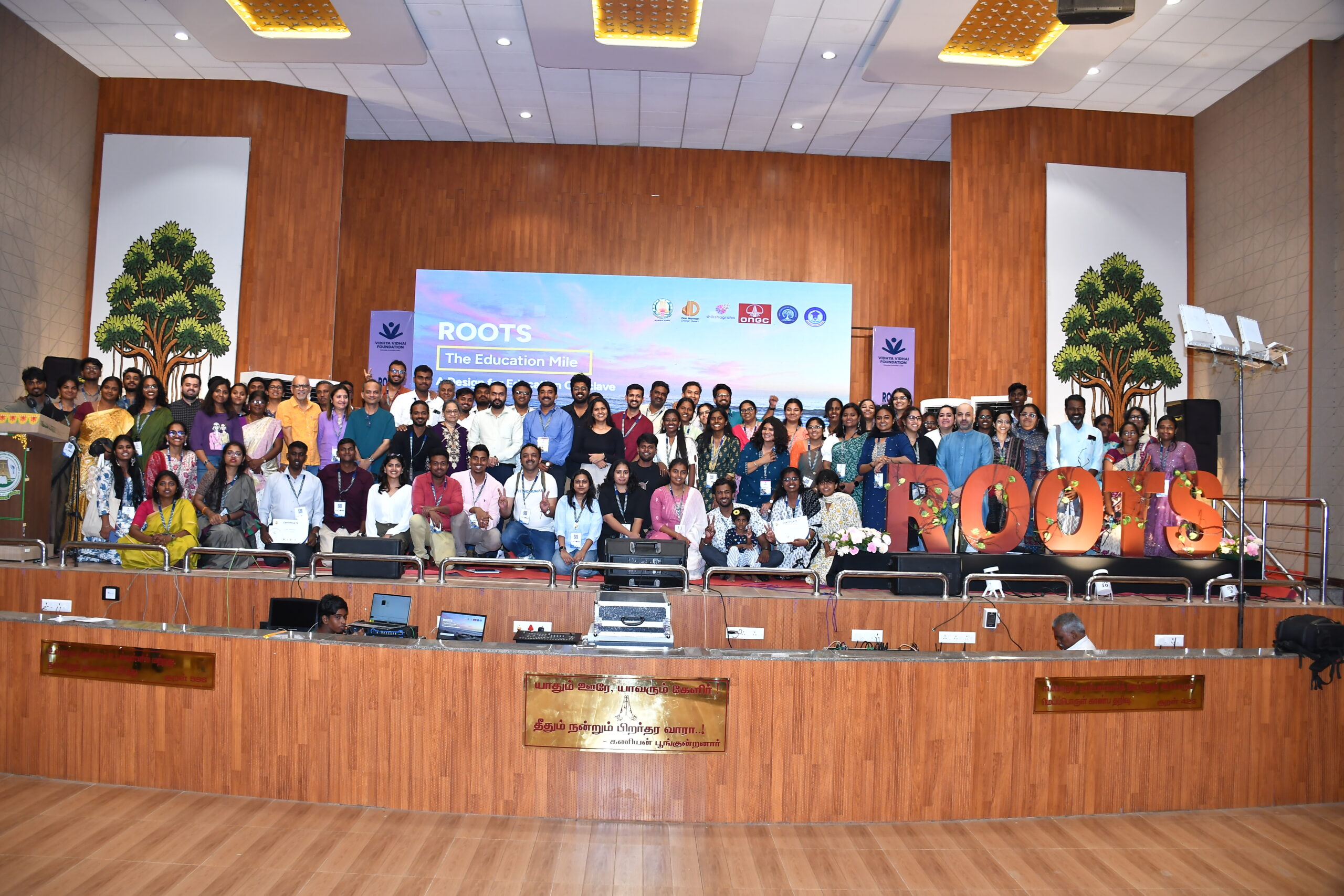
ROOTS is Vidhya Vidhai Foundation's Design for Education conclave: three days, once a year, always somewhere new. Each edition gathers a group of passionate individuals to ponder around a single question: what would it take to build a future worthy of the children who will inherit it? Working in education is not the entry requirement here. Taking the question seriously is.
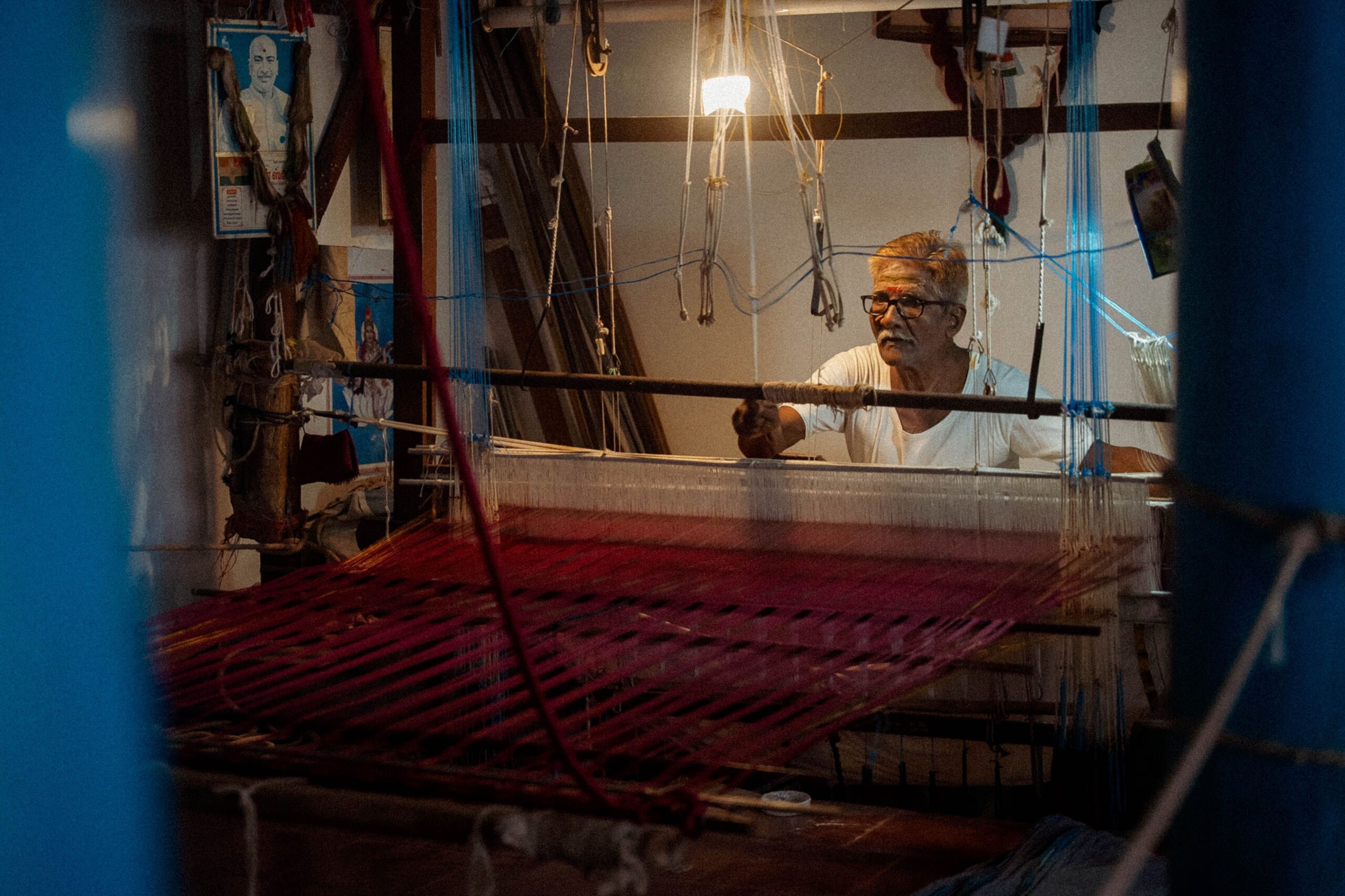
This year, ROOTS moves to Coimbatore, a city with its own instinct for building things that last: in a handloom's rhythm, in the memory of an engineer, G.D.Naidu, who believed India could build its own machines, in communities that have kept their knowledge systems alive across generations. ROOTS borrows that instinct and turns it toward the future of children, carrying forward the questions it asked last year along Nagapattinam's coast, and turning them toward a sharper one: how do we design for a child's dignity and future, and who gets to decide what that future should mean?
Voices of ROOTS
THE THREE-DAY JOURNEY
What are we actually preparing a child for?
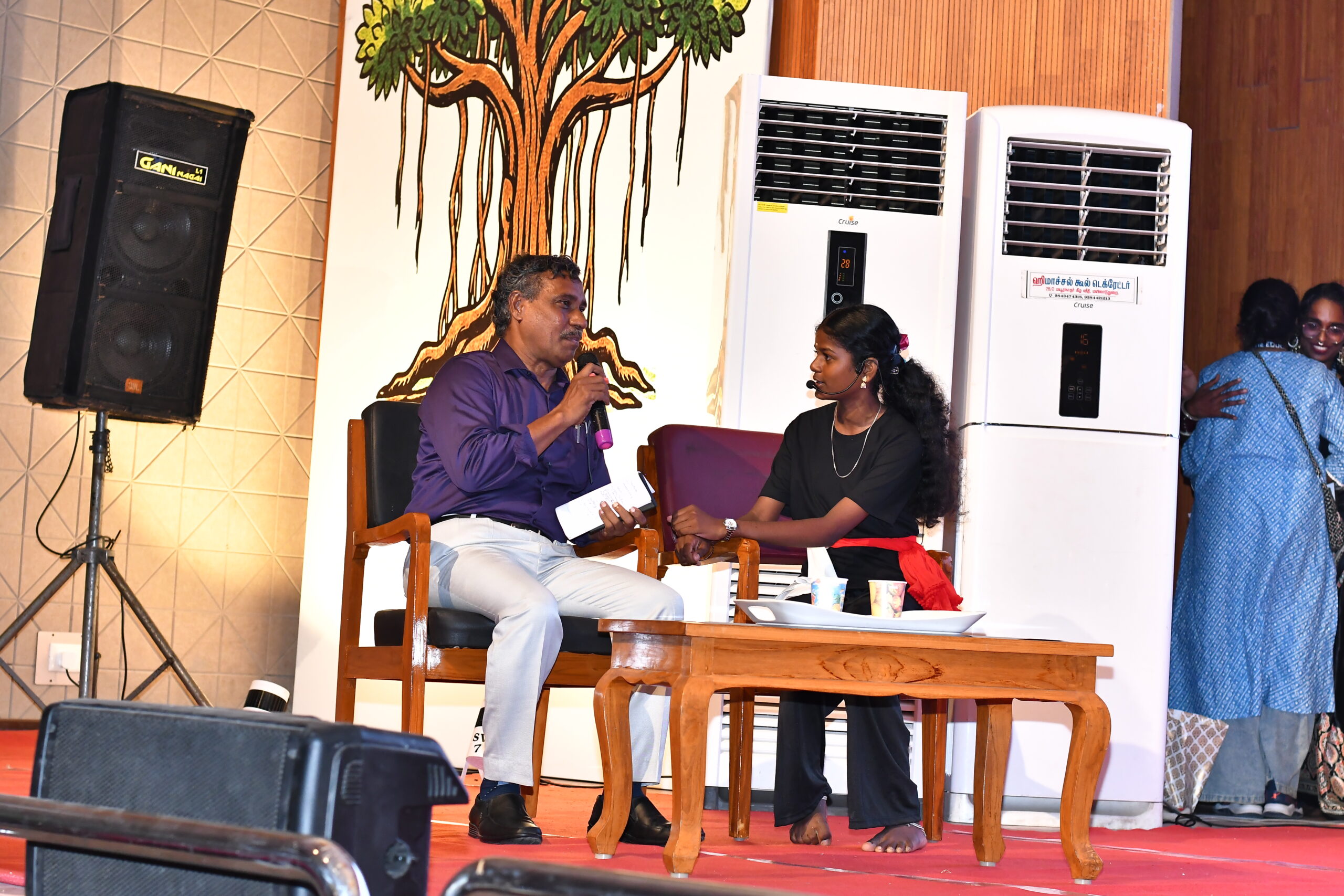
A child learns both inside and outside the classroom, through academics and through life. That’s why dignity comes first, not as an add-on to future-readiness, but as its foundation. Spend the day listening to the people this work is for, learning from voices already shaping their own answers, and together explore what “future-ready” should mean when children get to define the future they dream of.
Is the system we've built actually built for that future?
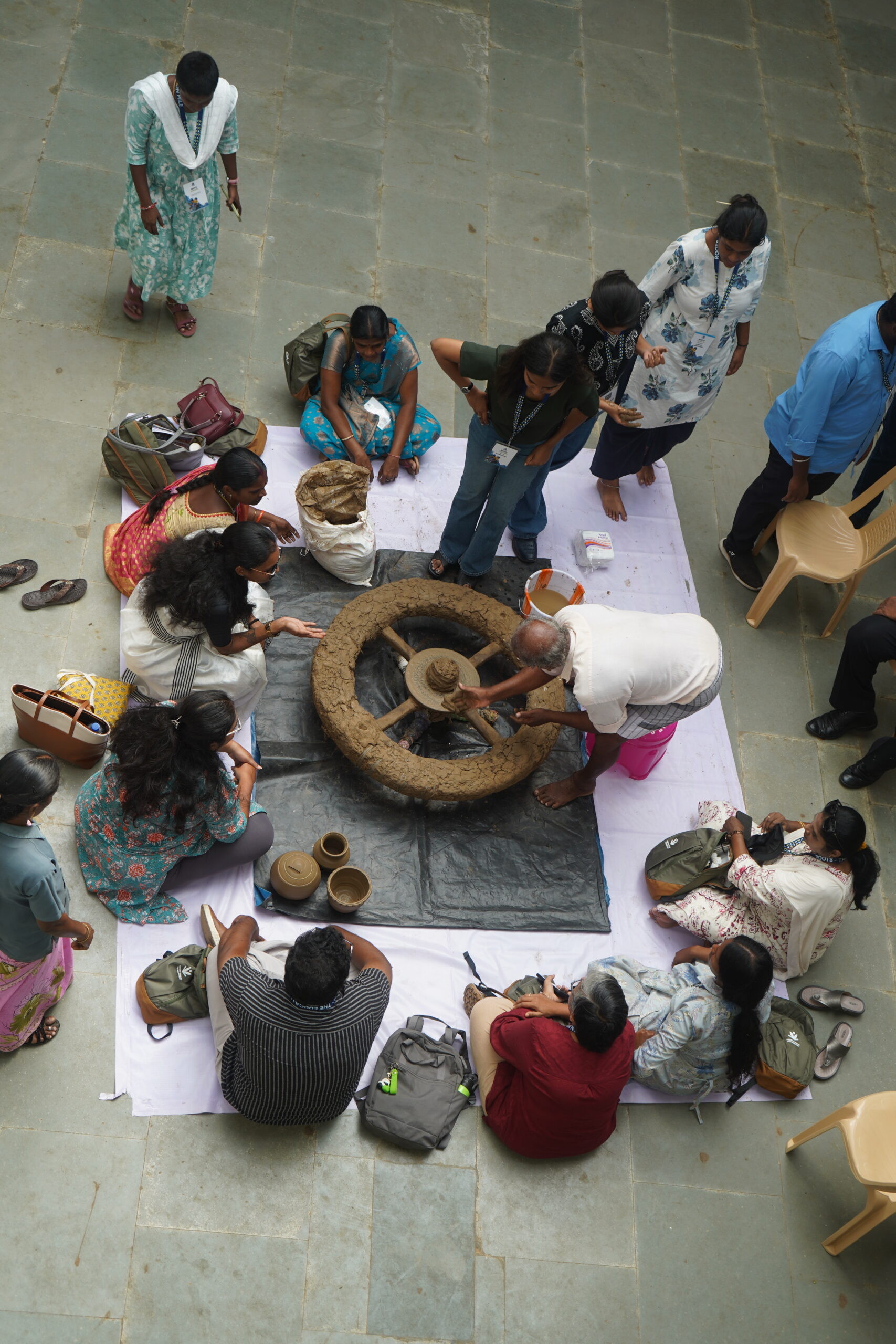
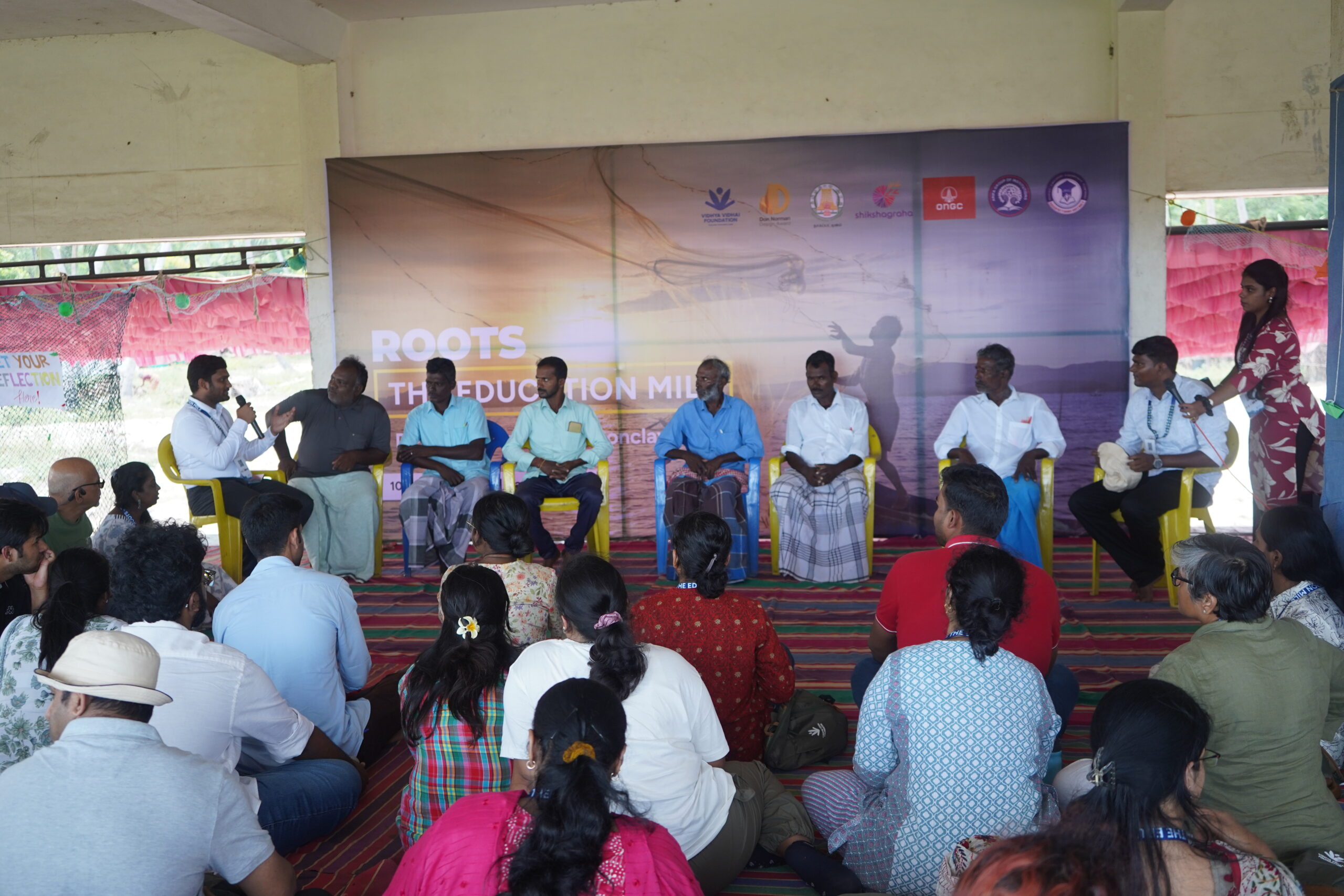
Day Two trades data points for lived stories, conversations with people whose everyday lives hold knowledge no framework fully captures, set against a day steeped in the flavour, craft, and rhythm of the community hosting us. From there, the work turns practical: taking what this particular place and its people have to teach, and beginning to shape it into something worth building.
What's worth carrying back: a fixed answer, or a sharper question?
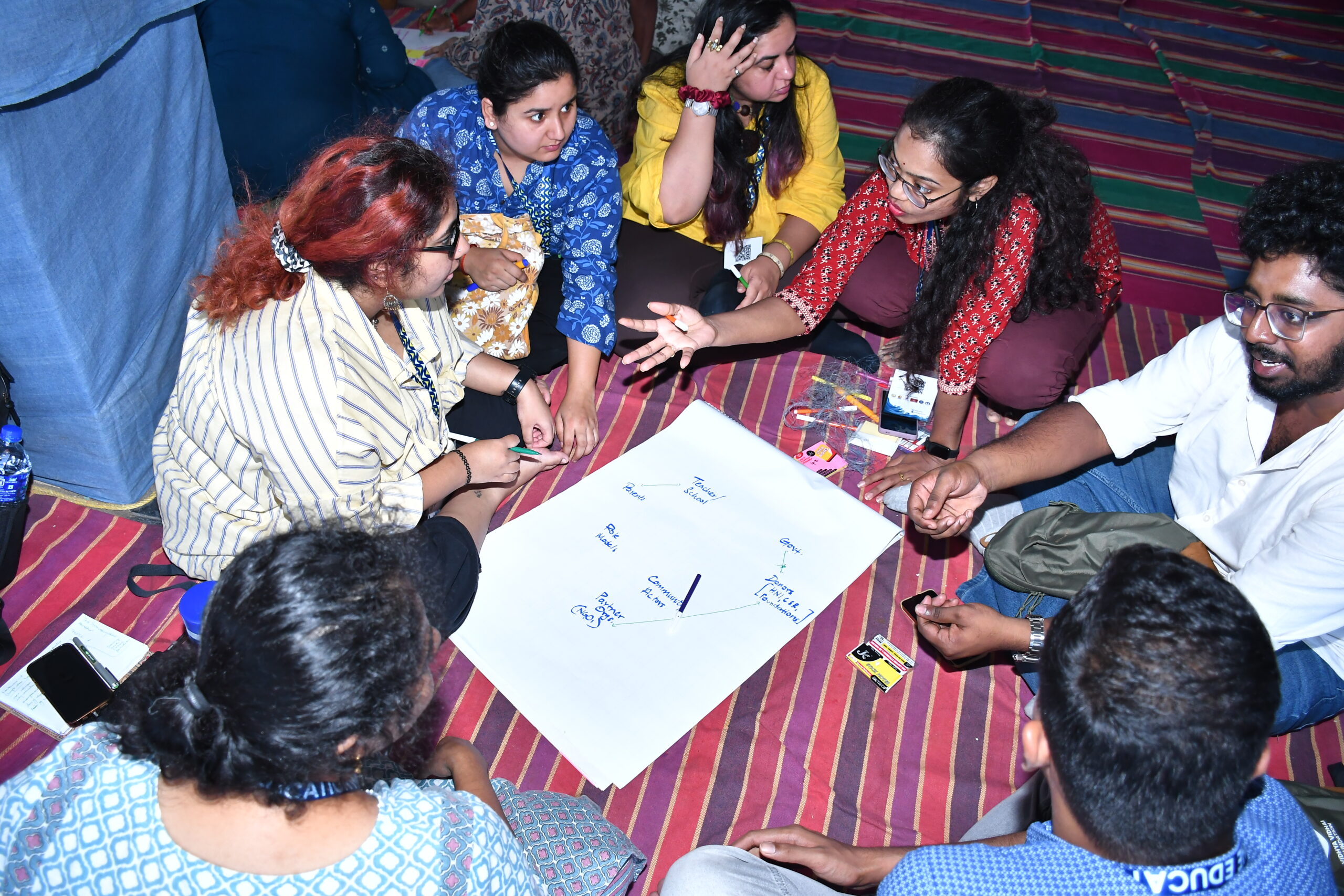
The finale opens the room outward. You'll pressure-test the idea you've been shaping, not to arrive at something finished, but to leave with real clarity on the question you're taking back into your own work. You'll sit alongside other showcases from the ground itself, including young people presenting as leaders in their own right, not as case studies of them. It closes not with applause for a solution, but with a room full of people carrying sharper questions than the ones they arrived with.
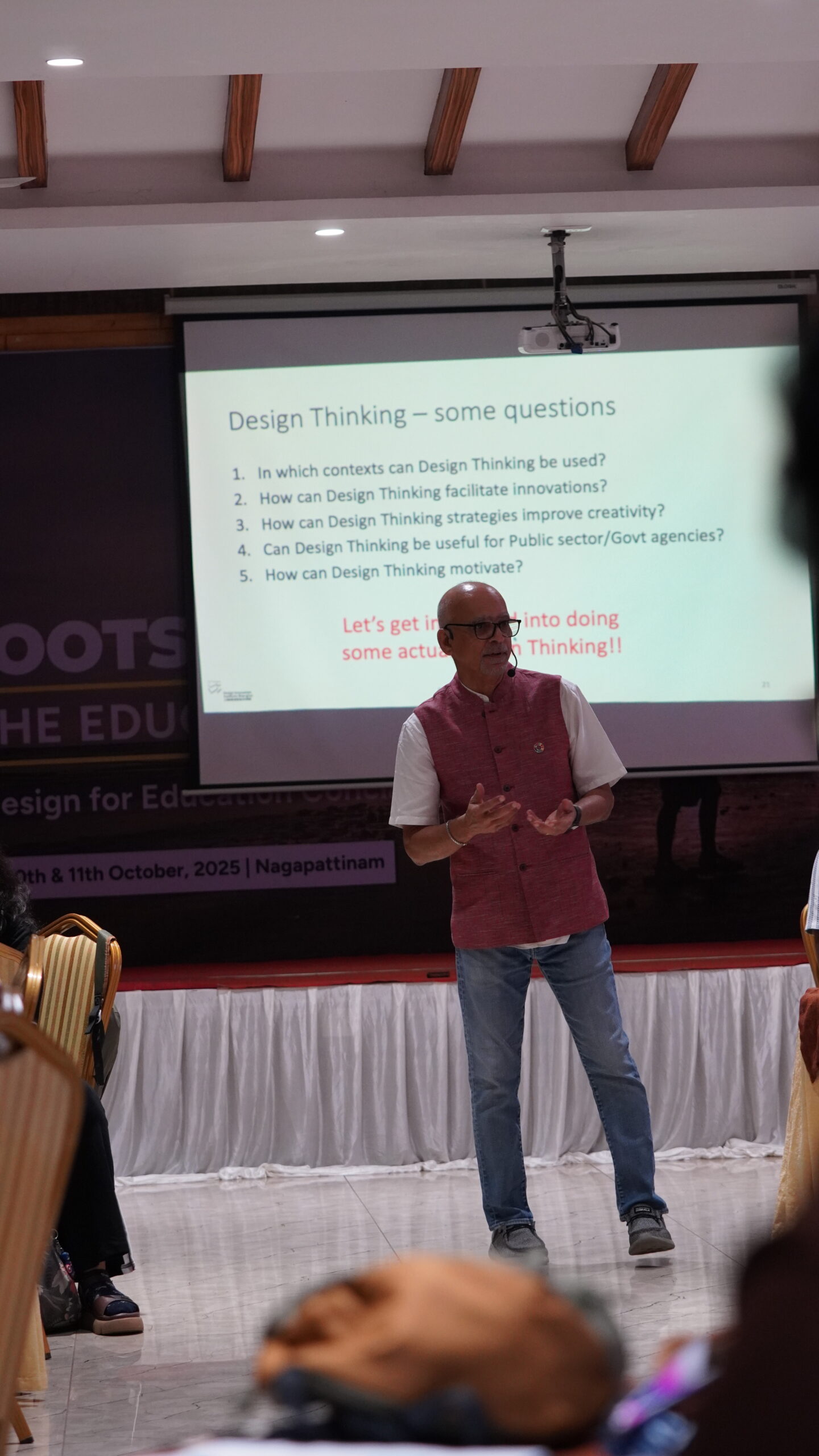
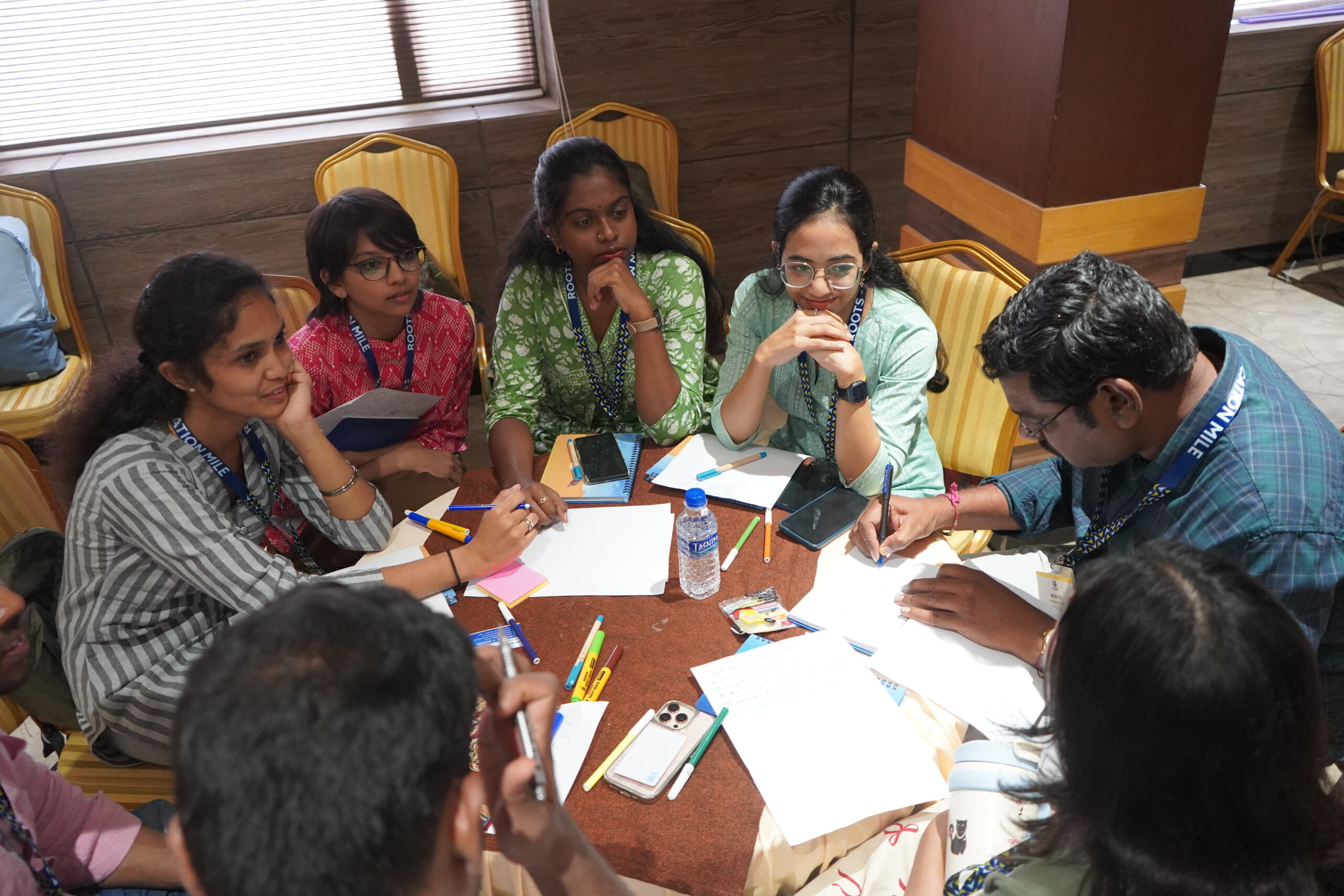
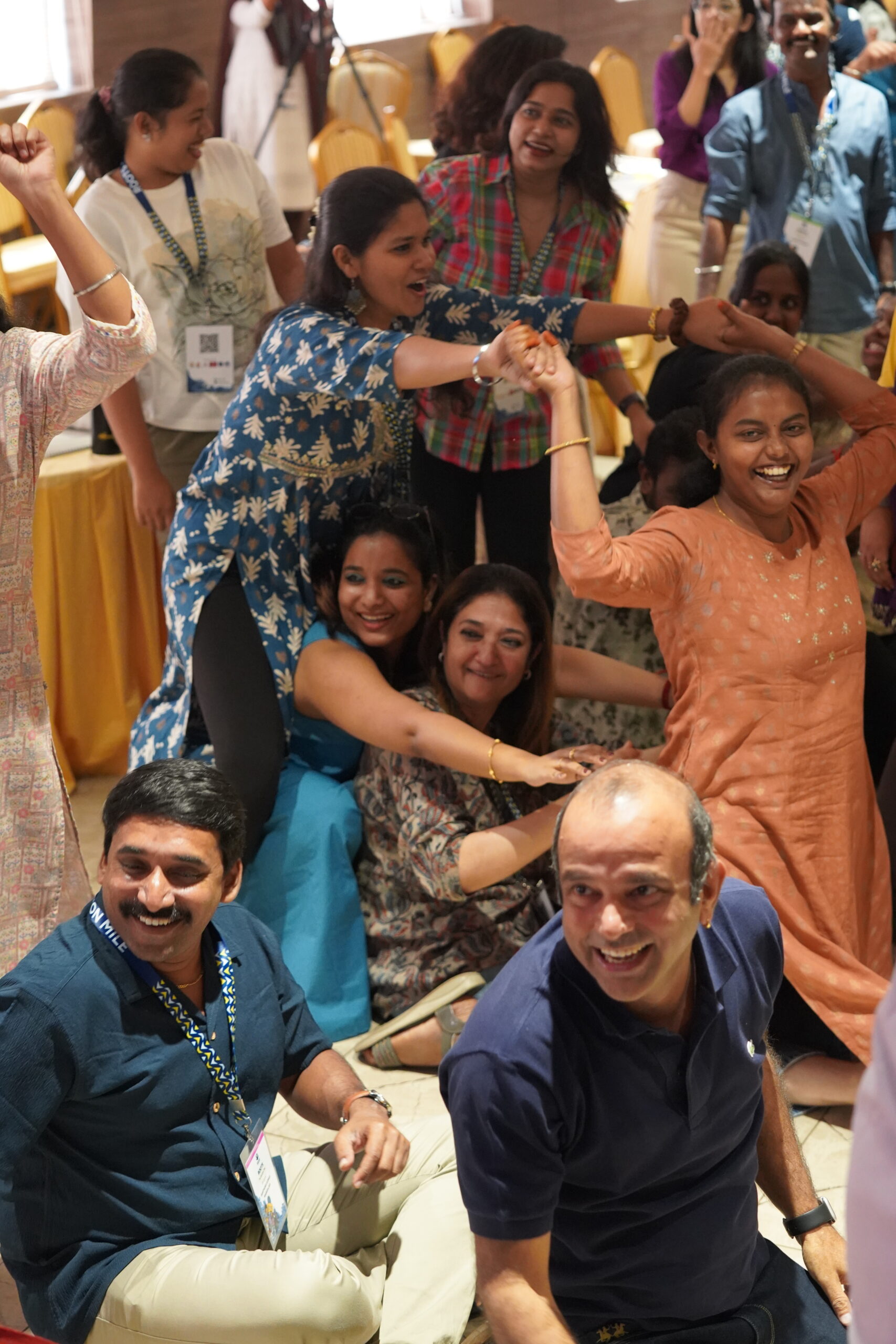
Moments from ROOTS
Our Partners